
Regenerative Peptides
Combination of peptides for muscle regeneration and body recovery

TB-500, BPC-157, and GHK-Cu
Why do many see them as a team rather than as separate pieces?
In the world of intense training, discomfort and injuries are part of the game. When you train heavy for years, something gets overloaded sooner or later. And when talking about recovery-focused peptides, three names almost always come up: TB-500, BPC-157, and GHK-Cu.
They are not the same. They don’t come from the same place. But they point to the same goal: helping the body recover better.
Many within the bodybuilding community do not see them as isolated products, but as a team that complements each other.
Let’s understand why:
First: what actually gets injured in bodybuilding
In bodybuilding, the most common are not serious tears.
The most common are poorly managed repeated overloads.
Typical discomforts:
- Tendinitis in the elbow, shoulder, or knee
- Shoulder loaded from excessive pressing
- Hip or lower back affected by heavy deadlifts
- Patellar tendon irritated from too much leg press or squats
- Overworked biceps or triceps
Most are not one-day injuries. They are an accumulation of stress. And here is the key: Before thinking about “recovering,” you have to understand what is failing.
The most common error
Something hurts → they look for an external solution → they keep training the same way. That doesn’t work.
Clear example:
Your hip hurts from doing heavy deadlifts with bad technique.
You start using peptides. But you keep doing deadlifts the same way; result: you keep damaging the tissue faster than the body can repair it.
No compound compensates for bad technique, excessive volume, or lack of rest.
Peptides don’t fix training errors.
First you have to ask yourself:
- Is it technique?
- Is it excessive load?
- Is it lack of rest?
- Is it bad mobility?
- Is it muscle imbalance?
If you don’t correct the cause, there is no stack that will fix it.
Now, yes: where TB-500, BPC-157, and GHK-Cu fit in
If you have already lowered the load, adjusted technique, and allowed for recovery… that’s where, in theory, they might make sense. Let’s look at them simply.
BPC-157 – The one that helps calm and protect
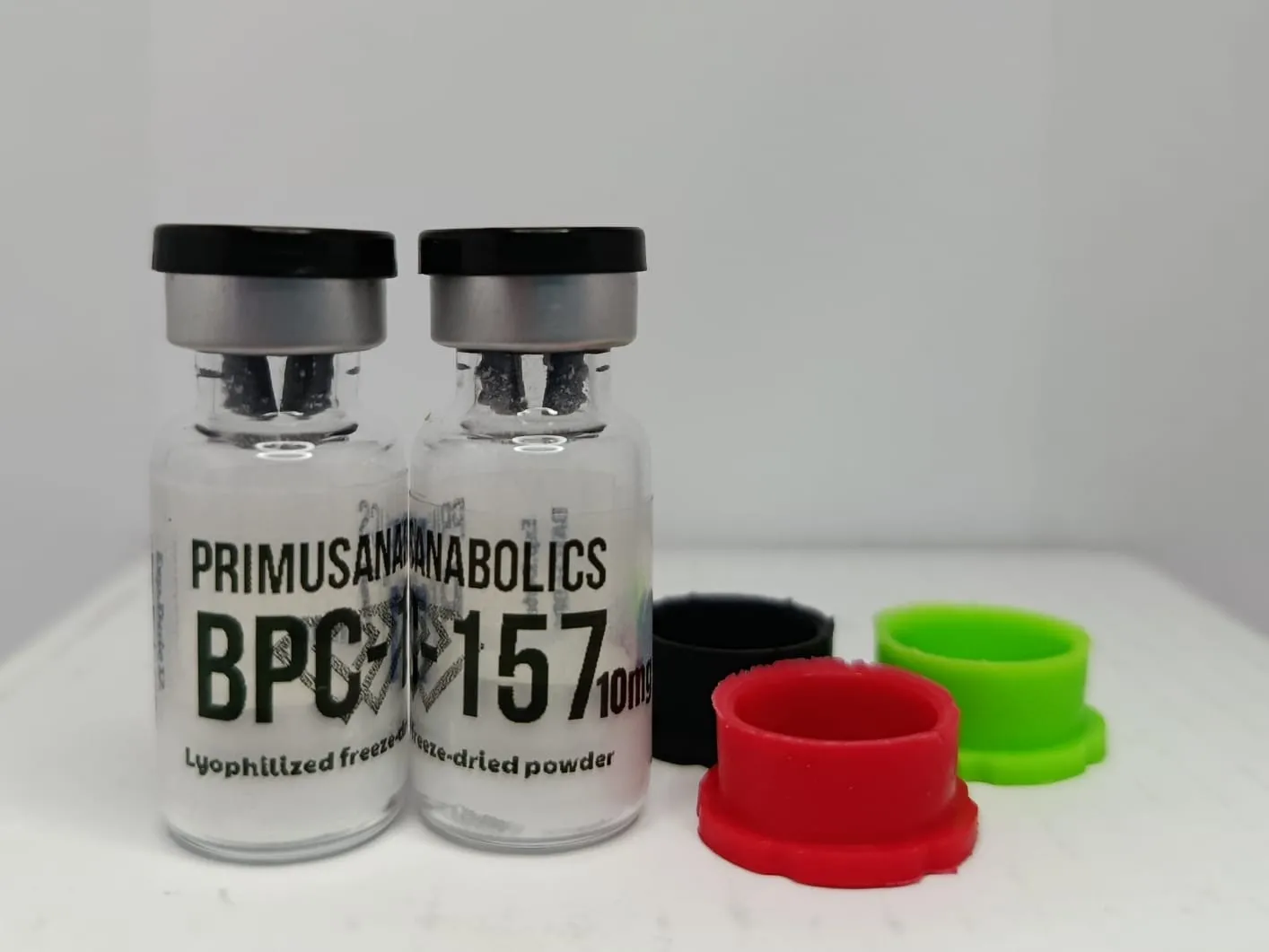
It is usually associated with:
- Support in tendons and ligaments
- Help with irritation
- Inflammation control
In simple words: many see it as the one that “puts out the fire.”
TB-500 – The one that promotes reconstruction
It is related to:
- Better blood flow in the area
- Support for muscle repair
- Movement of cells involved in recovery
Put simply: it helps the injured area receive more internal support to rebuild itself.
GHK-Cu – The one that improves tissue quality
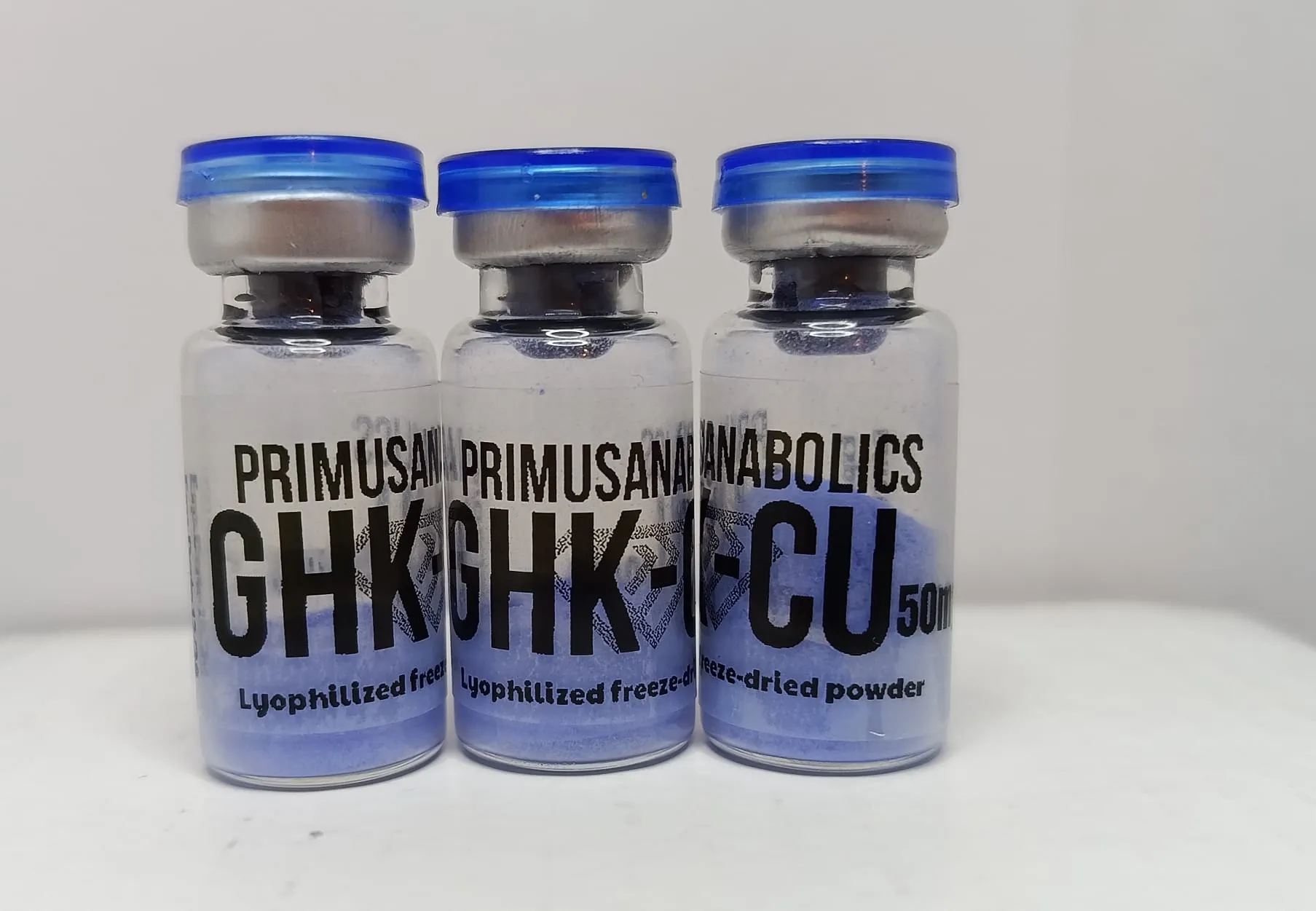
It is associated with:
- Collagen production
- Improvement of connective tissue
- Antioxidant support
In summary: it helps what is being repaired not just to close, but to remain strong and of good quality.
Do they form a family?
Not in the chemical sense. But they can be seen as a functional family. They don’t do the same thing. They don’t compete. They complement each other.
We can see it this way:
- First: calm and protect → BPC-157
- Second: support reconstruction → TB-500
- Third: improve final tissue quality → GHK-Cu
One calms. Another rebuilds. Another improves the finish.
That is why many see them as a stack focused on recovery.
Important: much of the information comes from preclinical studies and experience shared in the community. There are no large human studies confirming everything that is discussed.
Practical examples inside the gym
Case 1: Elbow tendonitis from excessive pressing
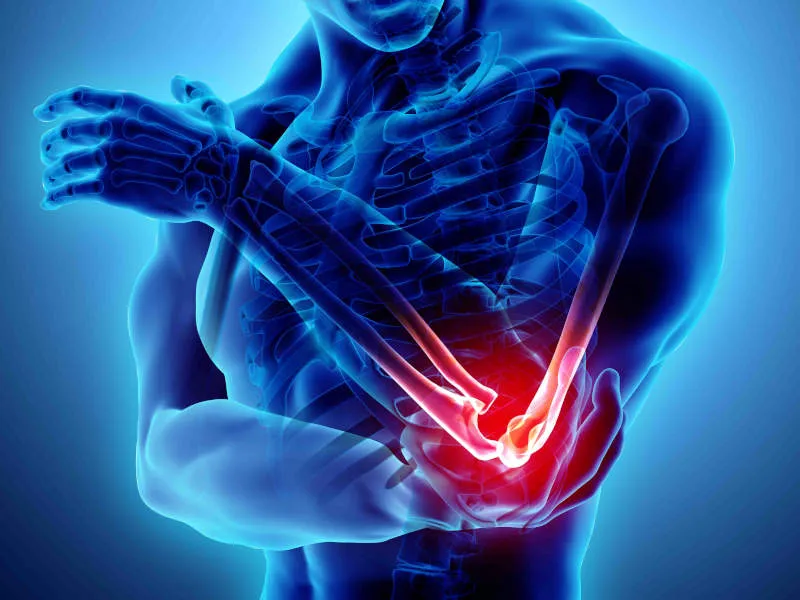
First: you lower the volume, check your grip, improve the warm-up.
Then, in theory:
- BPC helps control irritation
- TB-500 supports internal recovery
- GHK-Cu helps the tendon become stronger
But if you keep doing heavy presses five times a week, there are no miracles.
Case 2: Loaded shoulder from bench press abuse
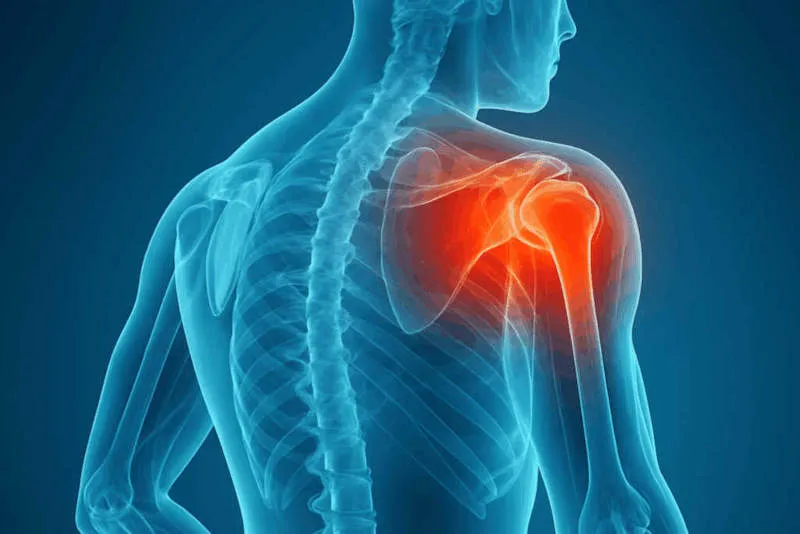
First: Balance pushes and pulls, Second: Correct technique.
Then, in theory, the stack could support the recovery process.
Case 3: Overloaded knee from squats and leg press
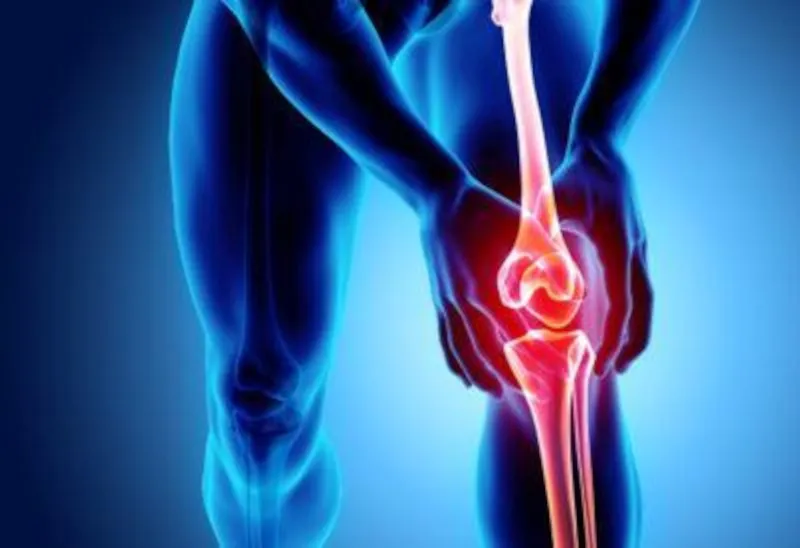
First: Lower intensity and manage volume. Then, they could complement the tendon regeneration process.
The logic is clear: First you eliminate the cause, then you help the body recover better. Not the other way around.
Why together they make more sense than separately
Recovery is not just one thing. It’s not just lowering inflammation. It’s not just rebuilding. It’s not just producing collagen. It’s all of that at the same time. That’s why many believe combining them makes sense: they cover different phases of the process. But they only work as support if you do your part.
Common errors you should avoid
-
Thinking they are magic They don’t replace rest or good programming.
-
Using them without lowering the load If you keep damaging the area, you’re not recovering anything.
-
Not identifying the actual cause Pain is not always equal to inflammation. Sometimes it’s bad technique or bad mobility.
-
Returning too quickly to maximum loads The area may feel better before it is actually strong.
-
Believing that more is better More does not mean better recovery.
The right mindset
If you train seriously, you know that progress is long-term. Taking care of your joints and tendons is taking care of your career. There’s no point in trying to repair what you keep breaking every day.
- First correct.
- Then recover.
- Then come back stronger.
Recovery is also part of training.
“Those who last years in this sport are not the ones who lift the most today… They are the ones who know how to keep training tomorrow.”